
The Glamorized Image of Casinos
The world of casinos is often portrayed in a glamorized light through movies, television shows, and popular culture. This depiction creates an allure that can overshadow the reality of gambling. While it’s true that casinos can be vibrant and exciting places, filled with entertainment options, many visitors enjoy browsing sites like mazbahhobart.com to explore their offerings before making the trip. The truth is that not every experience is filled with stunning wins. Many patrons leave with losses, and not everyone experiences the thrill of a jackpot as portrayed in media. The excitement is often amplified in films where characters hit the jackpot or have a stroke of luck, leading viewers to believe that such experiences are commonplace.
Additionally, the atmosphere in casinos can lead to unrealistic expectations of winning. Newcomers may believe that they too can replicate the success of the protagonists they see on screen. However, the reality is that gambling is governed by odds and probabilities that favor the house. This misconception can lead individuals to spend more than they intend, driven by the hope that they will have a similar story to tell after their visit. As a result, many leave without a positive experience, unaware of the financial risks they have taken on.
The contrast between the glittering exterior and the sobering truth of financial risk is often lost in these portrayals. While the excitement of gaming can be appealing, understanding the potential for loss is crucial. Responsible gaming is a critical aspect that gets overlooked, as the focus tends to remain on the glamorous wins rather than the importance of managing one’s bankroll effectively. This understanding is essential for anyone considering entering a casino, as it helps set realistic expectations and promotes a healthier relationship with gambling.
Beliefs About Luck and Skill
Many people harbor the belief that luck plays a predominant role in casino gambling, overshadowing the potential influence of skill. While luck is undeniably an element, particularly in games like slots or roulette, many other games involve varying degrees of skill. For example, poker is a prime example where player experience and strategy can significantly affect the outcome of a game. Those who take the time to learn strategies and nuances of poker often find themselves not just relying on luck but also on their ability to read opponents and make strategic decisions.
This conflation of skill and luck leads to a common misconception that anyone can win at games where luck is a factor. However, recognizing the importance of learning game strategies can enhance the gambling experience. By investing time in understanding the rules, strategies, and odds, players can improve their chances, rather than leaving everything to chance alone. This shift in mindset can make a significant difference in how individuals approach their time at the casino, allowing for a more informed and potentially rewarding experience.
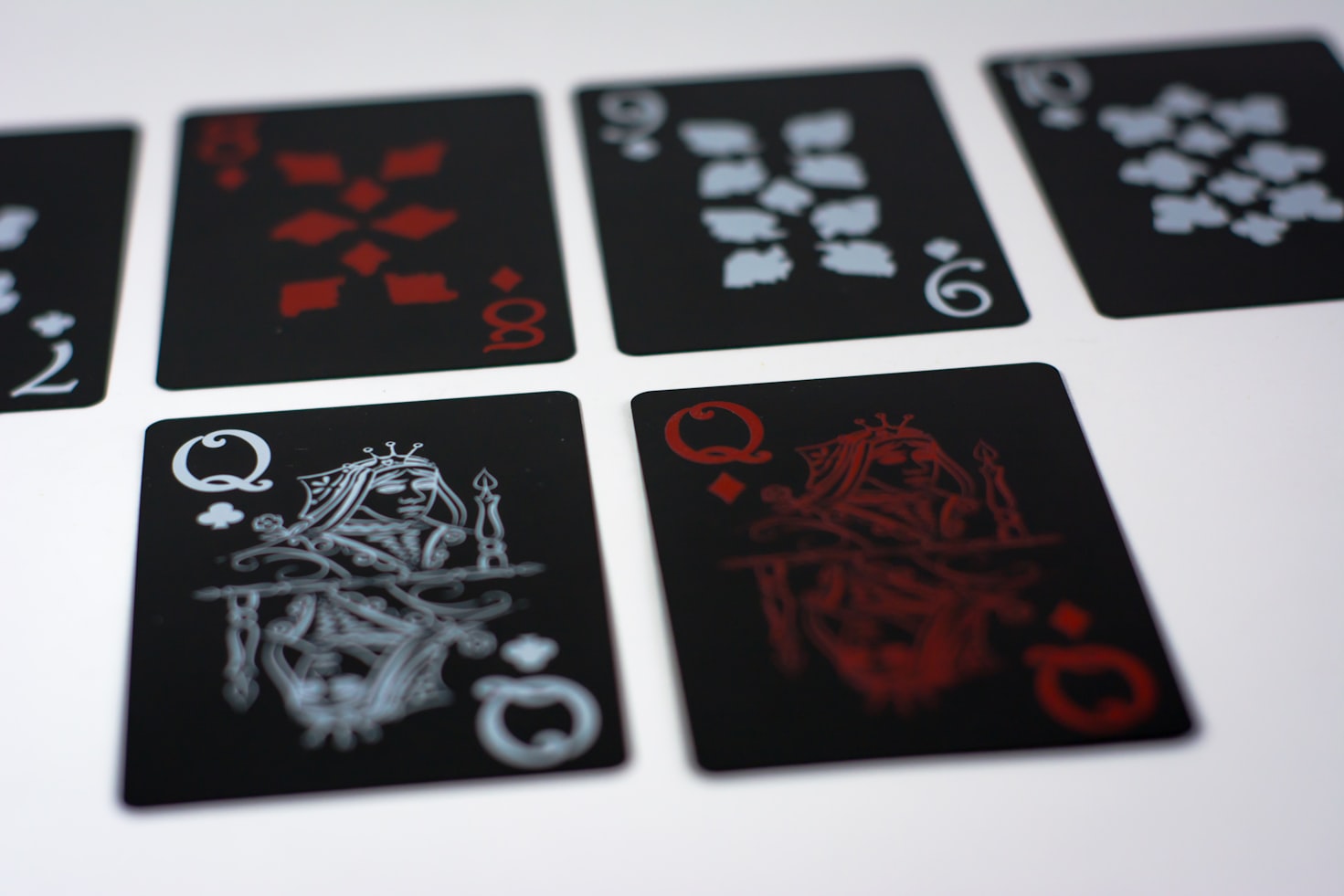
Moreover, the reliance on luck can often mask the emotional and psychological aspects of gambling. An unrealistic belief in luck can lead to chasing losses and compulsive gambling, resulting in negative consequences. Thus, it is essential to strike a balance by respecting the role of skill in certain games while acknowledging that luck can be unpredictable. Players who understand this balance are better equipped to handle the ups and downs of gambling, making for a more enjoyable and responsible gaming experience.
Understanding the House Edge
One of the most important concepts in casino gambling is the house edge, yet it is one of the least understood. The house edge refers to the mathematical advantage that the casino holds over players in various games. This edge ensures that, over time, the casino will profit from the games it offers. Many players falsely believe that they can outsmart the house through guessing or intuition, which is often not the case. By failing to understand the house edge, players may make poor betting decisions that can lead to significant losses.
Understanding that the house always has an advantage can help gamblers make more informed decisions. For instance, knowing the odds can discourage excessive betting on games that have a high house edge, like keno or slots. Instead, players might opt for games with a lower house edge, like blackjack or video poker, which offer better payout potential over time. This understanding can lead to more strategic gameplay rather than impulsive bets, allowing players to maximize their enjoyment and minimize their losses.
Furthermore, the house edge is not just a number; it reflects the long-term outcome of decisions made by numerous players. This means that while someone may experience short-term wins, in the long run, the casino will recover those losses and more. By approaching games with an awareness of the house edge and a solid strategy, players can foster a healthier relationship with gambling and reduce the risks associated with it. Knowledge of the house edge is critical for anyone looking to engage with casino games responsibly and effectively.
The Illusion of “Hot” and “Cold” Streaks
Another popular myth is the belief in “hot” and “cold” machine streaks, particularly in slot machines. Many gamblers feel that a machine that hasn’t paid out recently is «due» for a big win, while others may think that a machine that has recently paid out is «hot.» This belief can skew players’ choices, leading them to make decisions based on the faulty logic of past outcomes influencing future results. Such misconceptions can lead to poor betting strategies and increased frustration.

In reality, every spin of a slot machine is determined by a random number generator, making each play independent of the previous one. This randomization ensures that there are no truly hot or cold machines, and any perceived patterns are purely coincidental. Understanding this concept can help players avoid the common trap of believing they can predict outcomes based on previous plays, leading to potentially misguided betting strategies. Embracing the randomness of slot machines can encourage a more enjoyable and relaxed gaming experience.
Moreover, this myth can fuel a cycle of betting behavior that aligns more with superstition than with statistical understanding. Players might find themselves unsure how to engage with the game when they believe in the luck of patterns, causing frustration and potential losses. Awareness of the randomness in slots can promote a more enjoyable experience and a healthier perspective on winning and losing, ultimately allowing players to focus on the entertainment aspect of gambling rather than fixating on outcomes.
Responsible Gambling and Informed Choices
Ultimately, the myths surrounding casino gambling emphasize the need for responsible gaming. Understanding the realities of gambling can lead players to make more informed choices that prioritize entertainment rather than financial gain. Setting budgets, knowing when to walk away, and seeking support when gambling feels harmful are critical components of enjoying a casino experience responsibly. By demystifying the myths, players can engage with gambling as a form of entertainment rather than a means of making money. This shift in perception is essential for fostering a healthier attitude toward gaming.
The proliferation of misinformation about gambling only reinforces the importance of education on the topic. Gamblers should be encouraged to seek credible resources that offer insight into responsible gaming practices, game mechanics, and the risks involved with gambling. Awareness and education can empower players to enjoy casinos while maintaining control over their gambling habits. This informed approach is vital for anyone wishing to enjoy the thrill of gambling without falling prey to its potential pitfalls.
This shift towards informed decision-making can be nurtured through community awareness initiatives, discussions about gambling, and promoting healthy gaming environments. The casino experience should be fun and thrilling, and by recognizing the myths and realities, players can engage in a way that respects both their financial and emotional well-being. Building a foundation of knowledge and responsible practices can transform the way individuals interact with casinos, creating a more positive experience overall.