
The Nature of Luck in Gambling
Luck plays a pivotal role in the world of gambling, particularly in casino games where outcomes can be unpredictable. In essence, luck is defined as the chance occurrence of events that may lead to success or failure. Unlike skills-based activities where performance and strategy determine success, many casino games rely heavily on randomization. This randomness means that players often have little control over the outcome, which contributes significantly to the excitement and thrill of gaming. Many enthusiasts explore various options, including uk casino sister sites , to enhance their gaming experience. The very essence of casino gaming is rooted in this unpredictability, making the experience unique for each player.
Understanding how luck influences gaming outcomes can provide insights into why some players experience winning streaks while others encounter lengthy losing spells. For instance, in games like slots and roulette, the results are purely luck-based and are determined by random number generators or spinning wheels. This inherent unpredictability can lead to significant wins that seem almost miraculous, highlighting how luck is not just a factor but often the deciding element in these games. The thrill of winning against the odds creates a sense of exhilaration that attracts millions to casinos worldwide.
Moreover, the perception of luck varies among players. Some may approach gambling with a more superstitious mindset, believing in lucky charms, rituals, or specific strategies that could sway the odds in their favor. Others may adopt a more rational view, seeing luck as a temporary chance that cannot be controlled. Regardless of their belief system, players often find the element of luck exhilarating, making gambling an enticing venture that combines chance with the thrill of potential rewards. The psychological interplay between belief and chance adds layers to the gambling experience, influencing how players engage with games.
The Odds and Probability in Casino Games
To fully comprehend the role of luck in casino games, it’s essential to grasp the concepts of odds and probability. Each game is designed with specific odds that dictate the likelihood of winning. For instance, in a game of blackjack, while player decisions can influence outcomes, the odds of drawing a certain card are fundamentally determined by chance. This interplay of strategic choice and luck is what often puzzles players, as their experience can lead to both substantial victories and severe losses. Understanding these odds can help players make better-informed decisions, but it does not eliminate the element of luck.
Players often seek to gain an understanding of these odds to enhance their gameplay and mitigate losses. Understanding the house edge—where the casino has a statistical advantage over the player—can inform decisions on which games to play. However, no matter how well-informed a player is, the random nature of games means that luck still reigns supreme, making it difficult to predict outcomes with certainty. This unpredictability is part of what makes casino games appealing, as players understand that while skill can influence their chances, luck ultimately decides the outcome.
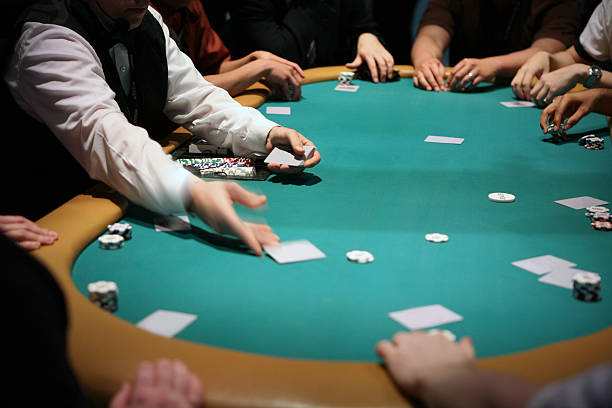
This emphasizes that no matter what strategies or methodologies are employed, luck remains a formidable adversary in the casino environment. Players may analyze odds meticulously and employ various techniques, but the random outcomes ultimately governed by luck can disrupt even the most calculated approaches, which adds another layer of complexity to gambling. The knowledge of odds can provide a sense of control, but the reality is that luck will always play a significant role in the outcome, making every gaming session unique.
The Psychological Impact of Luck
The psychological aspect of luck in casino games cannot be overlooked. Many players experience a phenomenon known as the «gambler’s fallacy,» believing that past outcomes can influence future results. For example, if a roulette wheel has landed on black consecutively, a player might erroneously conclude that red is now «due» to come up. This misunderstanding of luck leads to misinformed decisions that are not rooted in the actual probabilities of the game. Such fallacies can create a false sense of confidence, leading players to make riskier bets based on their belief in changing luck.
Additionally, the thrill of luck can create a euphoric state for players, often leading to the chase of «losing back» their money or the pursuit of the next big win. This psychological drive can lead to risky behavior and a disregard for budget constraints, reflecting the powerful hold that luck can have on an individual’s mindset. Many gamblers chase the emotional high associated with winning, often forgetting the harsh reality of losing. This emotional rollercoaster can lead to a cycle of highs and lows, making it difficult for players to maintain a balanced approach to gambling.
Furthermore, the narrative of luck is often romanticized in popular culture, with stories of individuals hitting it big in casinos, which can create unrealistic expectations for new players. This can fuel a continuous cycle of play, where the quest for luck becomes more about the experience than about financial outcomes. Understanding these psychological impacts is crucial for players to navigate the casino environment without letting transient luck dictate their gambling habits. By acknowledging the role of luck and its psychological influence, players can make more informed decisions and enjoy the gaming experience responsibly.
The Role of Skill versus Luck
In discussing luck, it is vital to also consider the role of skill in casino games. While games like slots and roulette are purely luck-based, others such as poker and blackjack incorporate both luck and skill. Here, skilled players can employ strategies that may improve their odds of winning. However, even the most skillful players cannot completely eliminate the influence of luck, as the random distribution of cards or dice still plays a critical role in the game’s outcome. This duality makes these games particularly fascinating, as they require a balance of both knowledge and chance.

In poker, for instance, while a player’s understanding of strategy, psychology, and risk management vastly improves their chances, the luck of the draw still significantly determines the game flow. A skilled player may frequently find themselves in advantageous positions, but luck can turn the tides in an instant. Therefore, the dynamic between skill and luck creates a complex landscape that can lead to both incredible successes and unexpected failures. This unpredictability is part of what keeps players engaged, as they constantly strive to outsmart their opponents while still contending with the randomness of chance.
This balance reinforces the idea that while skill may enhance profitability over the long term, luck is the unpredictable element that keeps players engaged and coming back for more. For many, the allure of facing off against luck—testing their skills and strategies against an unpredictable adversary—provides a unique enjoyment that cannot be replicated in other forms of entertainment. This complex interplay between skill and luck is what differentiates various casino games, appealing to a wide range of players with diverse preferences.
The Casino Experience and Luck
The concept of luck is intricately woven into the overall experience a player has in a casino. From the moment individuals enter a gaming establishment, they are enveloped in a world designed to stimulate the senses and create an atmosphere ripe for chance. Bright lights, vibrant sounds, and the occasional roar of excitement all contribute to a setting where luck is celebrated and sought after. This immersive environment enhances the emotional connection players have with their gaming experiences, making them feel part of something larger than themselves.
Casinos also capitalize on the allure of luck with promotional events and jackpot payouts, reinforcing the idea that anyone can strike it rich at any given moment. These carefully orchestrated elements serve to maintain a continuous flow of players, each hoping that luck will smile upon them during their visit. Approaching games with the notion that a big win is possible can elevate the experience, making it more than just a game of chance but a thrilling adventure. The ambiance, combined with the hope of winning, creates a powerful draw that keeps players returning to try their luck.
Moreover, the social aspect of gambling further enhances the perception of luck. Players often share stories of their wins or losses, creating a community that thrives on the unpredictability of fortune. This interconnected experience fosters a deeper appreciation for the role of luck, as players bond over shared outcomes, whether triumphant or disappointing. The community created around gambling, fueled by stories of luck and chance, enriches the overall casino experience. By connecting with others who share similar experiences, players can find camaraderie in the unpredictable nature of gaming.