
The thrill of chance and risk perception
The allure of casino games largely stems from the thrill of chance and the inherent risk involved. Players often find themselves captivated by the unpredictable nature of outcomes, whether it’s a roll of the dice or the spin of a slot machine. This uncertainty creates a dopamine rush, a neurotransmitter associated with pleasure, which contributes to the excitement experienced in these environments. The unpredictability also fuels a psychological phenomenon known as the ‘gambling fallacy,’ where players believe that past outcomes can influence future results, leading them to take more risks, especially when they engage in online pokies payid or other popular games where luck plays a significant role in the outcome.
Moreover, the perception of risk varies significantly among individuals. Some players thrive on high-stakes games where the potential for loss or gain is magnified, while others prefer low-risk options. This difference can be attributed to personality traits, such as risk tolerance and the need for stimulation. People seeking thrills might gravitate toward games like poker or blackjack, where strategy and skill play significant roles, while those looking for a more relaxed experience may play bingo or slots, where luck is the primary factor. The choice of game often reflects deeper psychological needs—those who enjoy competition may find more satisfaction in games that require skill, while others may prefer the simplicity of games that rely solely on chance.
In essence, the thrill of chance activates the brain’s reward system, making players eager to return for more. Understanding this psychological component sheds light on why certain games become incredibly popular and why casinos continue to thrive. It is the intoxicating blend of risk and reward that keeps players engaged, often leading them to chase that elusive win, which can reinforce habits and drive repeat visits. The cyclical nature of this engagement can create a powerful pull, making it difficult for some players to walk away even when they know the odds are against them.
The role of social interaction
Another key aspect of casino gaming is the role of social interaction in enhancing the overall experience. Many popular games, such as poker and roulette, are inherently communal, providing players opportunities to engage with one another. This social component can amplify excitement and create a sense of camaraderie among players, making the gaming experience more enjoyable. Research has shown that social interactions can lead to increased levels of engagement, with players often returning not just for the games, but also for the social connections they foster. The laughter, banter, and shared moments at the gaming table can transform gambling into a social event, further enhancing its appeal.
Furthermore, the presence of other players and the dynamic atmosphere of a casino can evoke emotions ranging from joy to competition. Players can feel a sense of belonging within the gaming community, which can serve as a powerful motivator to keep coming back. The excitement of winning can be shared, and losses can be softened through the support of fellow players. This social interaction is a crucial psychological element, as it transforms what could be a solitary activity into a shared adventure. The environment encourages players to celebrate each other’s successes, leading to a more enjoyable and fulfilling experience overall.

Casinos recognize the importance of this social dimension, often designing their layouts to encourage interaction through communal tables and open gaming areas. This intentional design strategy not only enhances player enjoyment but also fosters a more vibrant gaming culture. By creating an environment where players can interact, share stories, and build friendships, casinos enhance the overall experience, making it more than just about winning or losing. Consequently, the blend of competition, cooperation, and shared experiences plays a vital role in the allure of casino games, making them even more appealing to a broader audience.
The impact of sensory stimulation
Sensory stimulation is another vital element in the psychology of popular casino games. Casinos are designed to be immersive environments, filled with bright lights, vivid colors, and engaging sounds. This sensory overload captures the attention of players and creates an atmosphere that encourages prolonged engagement. The sound of jingling coins or the celebratory music that accompanies a big win elicits positive emotions and reinforces the enjoyment of the experience. This carefully crafted sensory environment can make the gaming experience feel almost euphoric, drawing players deeper into the action and encouraging them to stay longer.
Moreover, the layout and design of games themselves are crafted to maximize sensory appeal. Slot machines, for instance, often incorporate vibrant graphics and dynamic animations that draw players in. The combination of visual and auditory stimuli can create a euphoric experience, which further enhances the likelihood of returning to play. This design strategy taps into the brain’s reward system, encouraging players to associate pleasure with the sensory experiences of gaming. The more engaging the stimuli, the stronger the emotional response, leading to increased playtime and investment in the game.
On a deeper psychological level, the concept of ‘loss aversion’ also comes into play. When players are met with a sensory-rich environment that constantly signals potential rewards, they may be more likely to overlook losses and focus on the excitement of future possibilities. This can lead to prolonged gaming sessions, as players remain hopeful and engaged in the experience, thus creating a cyclical pattern of behavior influenced heavily by sensory stimulation. The thrill of anticipation, coupled with the sensory rewards provided by the environment, keeps players invested in the gaming experience, often leading to increased spending and time spent at the tables.
The concept of momentum and near misses
The psychology of casino games is also heavily influenced by the concepts of momentum and near misses. Many players experience a unique psychological response when they come close to winning, often feeling a surge of excitement even when they do not actually win. This phenomenon, known as a ‘near miss,’ can lead to increased motivation to continue playing. Research indicates that players are more likely to return to a game after experiencing near misses, as these moments can create a false sense of hope and the belief that a win is imminent. This psychological response can be so powerful that it overrides the reality of losing, reinforcing the desire to keep playing.
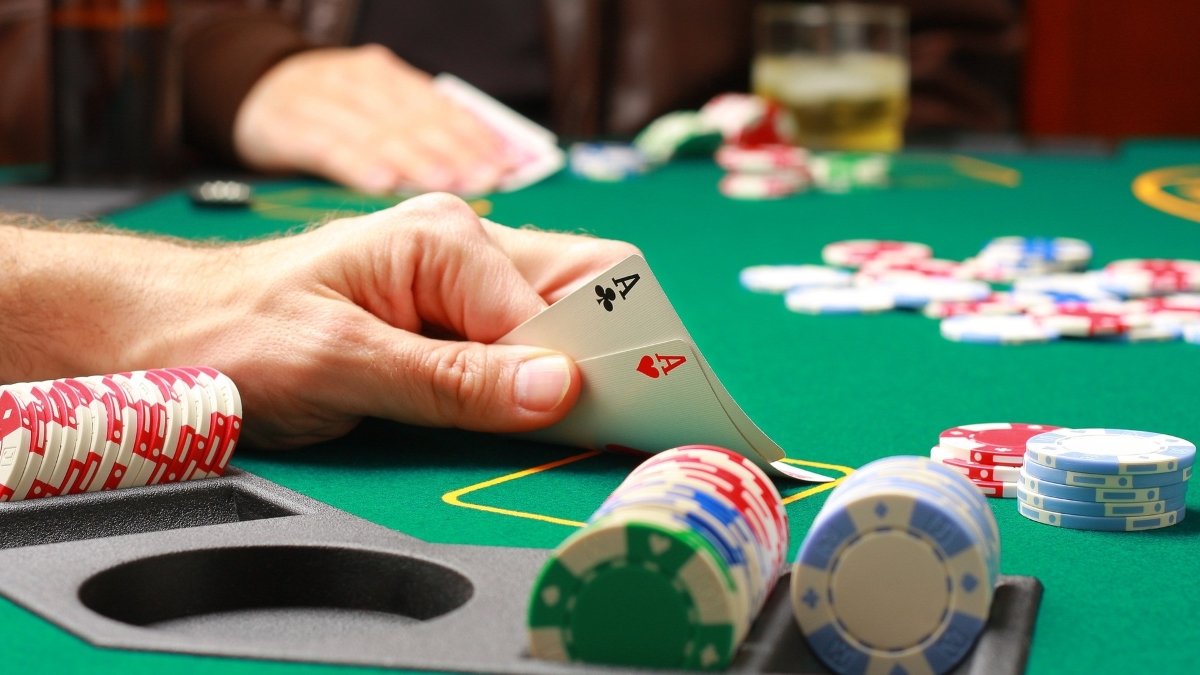
Furthermore, the concept of momentum ties into this behavior. Players often feel that they are on a winning streak, leading them to believe they will continue to experience success. This perception can drive them to take larger risks or play for longer periods, as they become convinced that their luck will persist. The casino environment often encourages this momentum by providing instant feedback on outcomes, reinforcing the idea that success is just around the corner. Whether it’s through a series of small wins or the excitement of coming close to a jackpot, these moments can create a compelling narrative that keeps players engaged.
This intricate relationship between near misses, momentum, and player behavior highlights how psychological factors can significantly shape gaming experiences. By understanding this dynamic, casinos can better design their games to enhance player engagement, ultimately leading to more extended gameplay and increased revenue. Thus, the psychological nuances of nearly winning can be a driving force behind a player’s decision to keep playing, often resulting in prolonged gaming sessions even in the absence of actual victories. The combination of hope and the thrill of potential success keeps players returning, eager to chase the elusive win that feels just within reach.
The appeal of online casinos
The rise of online casinos has transformed the gaming landscape, providing players with the convenience of gaming from the comfort of their own homes. The psychological appeal of online casinos lies in their ability to blend accessibility with engaging experiences. Players can enjoy their favorite games without the social pressures of a physical casino, allowing for a more relaxed and personalized gaming experience. This can be particularly appealing for those who prefer to play in solitude or at their own pace. The ability to control the gaming environment, from choosing when to play to selecting games that suit their preferences, enhances the overall appeal.
Additionally, online casinos utilize various strategies to keep players engaged. This includes offering bonuses, promotions, and personalized gaming experiences based on individual preferences. The continuous innovation in game design, including interactive features and live dealer options, enhances the immersive nature of online gaming. Players can feel connected to the game and the experience, even when they are not physically present in a casino. This sense of connection is often enhanced by community features like chatrooms and forums, where players can share experiences and strategies, fostering a sense of belonging in the digital space.
Moreover, the anonymity of online gaming can have both positive and negative psychological effects. While it allows for more freedom and comfort, it can also lead to impulsivity and overspending since players are not confronted with the immediate physical consequences of their bets. This duality highlights the complex relationship between online gaming environments and player psychology, demonstrating how different factors can influence behaviors in the digital gaming landscape. Ultimately, understanding these psychological elements can help players navigate their online gaming experiences more effectively and responsibly, ensuring that they enjoy the thrill without falling into the traps that can accompany excessive play.