
Understanding the House Edge
The house edge is a core principle that defines the relationship between players and casinos. It signifies the statistical advantage that the casino possesses over players in any given game. This edge varies widely from one game to another and is often expressed as a percentage representing the average loss for players over time. For instance, in blackjack, the house edge can be as low as 0.5% if players use optimal strategies, while in slot machines, it may jump to 15% or higher. Players seeking to maximize their gaming experience may consider a fast withdrawal casino uk option to enhance their chances of enjoying quick payouts, as this built-in advantage assures that, over an extended period, the casino is more likely to win, which is fundamental to its business model.
Moreover, the house edge is influenced by several factors, including game rules, payout structures, and even the style of play. For example, in American roulette, the addition of a double zero increases the house edge compared to European roulette, which has only a single zero. Acknowledging these differences is crucial for players who want to make informed choices about which games to play. By selecting games with a lower house edge, players can enhance their overall gaming experience and improve their chances of winning.
Many players harbor the belief that they can outsmart the house edge through various strategies or betting systems. However, it is essential to understand that while certain techniques, such as card counting in blackjack, may yield short-term gains, they do not alter the fundamental mathematics of the game. In fact, these methods require a high level of skill and carry the risk of being banned from casinos. Ultimately, a thorough comprehension of the house edge is indispensable for anyone interested in gambling, as it outlines the significant challenges faced when attempting to beat the odds.
Strategies to Mitigate the House Edge
Although completely overcoming the house edge is nearly impossible, players can adopt specific strategies to diminish its impact on their gaming experience. One of the most effective methods is to select games that inherently possess a lower house edge, such as blackjack or baccarat. These games require a level of skill and decision-making that can significantly influence the outcome, unlike games of pure chance, like slot machines. By gravitating towards games with better odds, players can improve their long-term success rates.
Another approach involves employing betting systems, such as the Martingale or Paroli systems, which aim to take advantage of winning or losing streaks. While these systems can help structure a player’s betting strategy, it is crucial to remember that no betting system can negate the house edge in the long run. Instead, these systems should be viewed as tools for bankroll management rather than surefire winning strategies. Additionally, setting limits and adhering to them can prevent players from chasing losses, fostering a more enjoyable gambling experience.

Understanding variance is also essential for managing expectations when playing casino games. High variance games, like slots, may produce significant wins or losses within short timeframes, while low variance games tend to yield more consistent payouts. Players should align their strategies with their risk tolerance and time commitments, adjusting their bets and gameplay based on their personal comfort levels. This mindful approach to variance and game selection can empower players to navigate the challenges presented by the house edge effectively.
The Psychology of Gambling
The psychological aspects of gambling significantly influence how players perceive the possibility of beating the house edge. One common phenomenon is the «illusion of control,» where players mistakenly believe they can sway the outcome of a game through their choices or strategies. This misguided belief often leads to poor decision-making and a failure to recognize the predominant role of luck and the house edge. Understanding these psychological dynamics is vital for maintaining a balanced and healthy approach to gambling.
Emotional factors and the potential for addiction are also critical elements of the gambling experience. The thrill of a win or the excitement of hitting a jackpot can cloud judgment and lead to impulsive behaviors, such as chasing losses. Gamblers might stray from their established strategies in moments of heightened emotion, which further exacerbates the likelihood of incurring losses. By recognizing these psychological traps, players can strengthen their resolve to adhere to their strategies and know when it’s time to step away from the game.
Furthermore, casinos are meticulously designed to exploit these psychological tendencies. From the enticing sounds of ringing coins to the vivid lights and the provision of complimentary drinks, the casino environment is crafted to encourage prolonged play. Players must stay vigilant against these tactics and develop strategies to counteract them, such as setting time limits and pre-determined budgets for their gambling activities. By understanding the psychological landscape of casinos, players can gain greater control over their experiences and manage their expectations surrounding wins and losses.
The Reality of Winning at Casinos
While stories of players winning substantial amounts at casinos do exist, it is crucial to recognize that these instances are often exceptions rather than the rule. The majority of gamblers do not leave with profits, primarily due to the house edge that ensures the casino’s profitability over time. Additionally, luck’s unpredictable nature plays a significant role; a player may enjoy a series of wins only to see those gains evaporate quickly. This reality underscores the importance of maintaining realistic expectations when gambling.
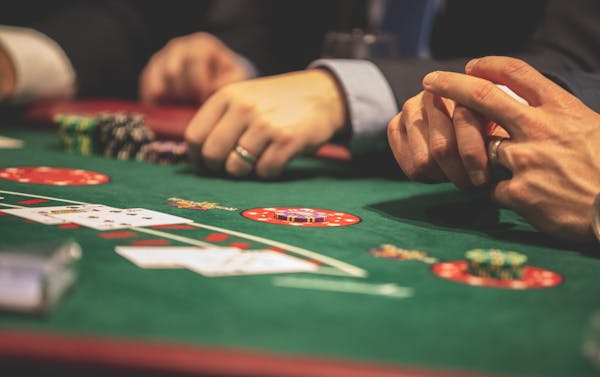
Moreover, variance significantly impacts the long-term outcomes of gambling. Even if a player employs strategies designed to minimize the house edge, the random nature of games can lead to short-term losses that outweigh any potential gains. Therefore, players may find themselves on a losing streak despite implementing the best strategies available. This reality emphasizes the need to treat gambling as a form of entertainment rather than a reliable source of income.
Ultimately, the appeal of casinos lies in the excitement and thrill they provide, not in a guaranteed path to wealth. Players who approach their gaming experiences with realistic expectations and an understanding of the house edge are more likely to enjoy themselves and minimize associated risks. The key to a fulfilling gambling experience is to maintain a balanced mindset, prioritizing enjoyment and entertainment over purely financial outcomes.
Explore Your Casino Experience
For those eager to delve deeper into the world of gambling strategies, tips, and game dynamics, visiting specialized informational websites can be incredibly advantageous. These platforms often offer valuable insights into gameplay mechanics, advantages of particular games, and advanced strategies that can help players navigate the complexities of casinos. Whether you are a novice or a seasoned player, acquiring knowledge is a potent tool that can enhance your overall experience.
Additionally, many websites host forums and communities where players can exchange experiences and strategies. Engaging with fellow gamblers can provide fresh perspectives and new ideas on managing one’s approach to the house edge. This sense of camaraderie can also counteract the isolation that some players may feel while gambling. Through shared experiences, players can learn from one another and discover innovative ways to enhance their enjoyment.
Ultimately, the journey into the world of casinos is one of exploration, learning, and enjoyment. By taking advantage of available resources, players can better understand the house edge and explore various strategies to enhance their experiences while keeping the focus on fun and responsible gaming. Remember, the essence of a fulfilling casino experience lies in balance and informed decision-making, ensuring that gambling remains an enjoyable activity rather than a source of stress or financial concern.